Viscosity is an essential parameter in the behaviour of paints, varnishes and coatings, both in their manufacture and application.
Application
Proper viscosity control ensures:
Better application of paint.
Optimisation of consumption and performance.
Reduction of defects such as sagging, orange peel or poor leveling.
During formulation, it is essential to consider the application method, working temperature and the rheological behaviour of the product (viscosity at different shear rates and thixotropy), to avoid subsequent problems in the application process.
Similarly, when formulating a paint, it is necessary to know both the application method and the temperatures at which it will be applied, so during the development of the mixture, adequate control of viscosities at low and high shear rates is necessary, as well as evaluation of the thixotropy present.
Features
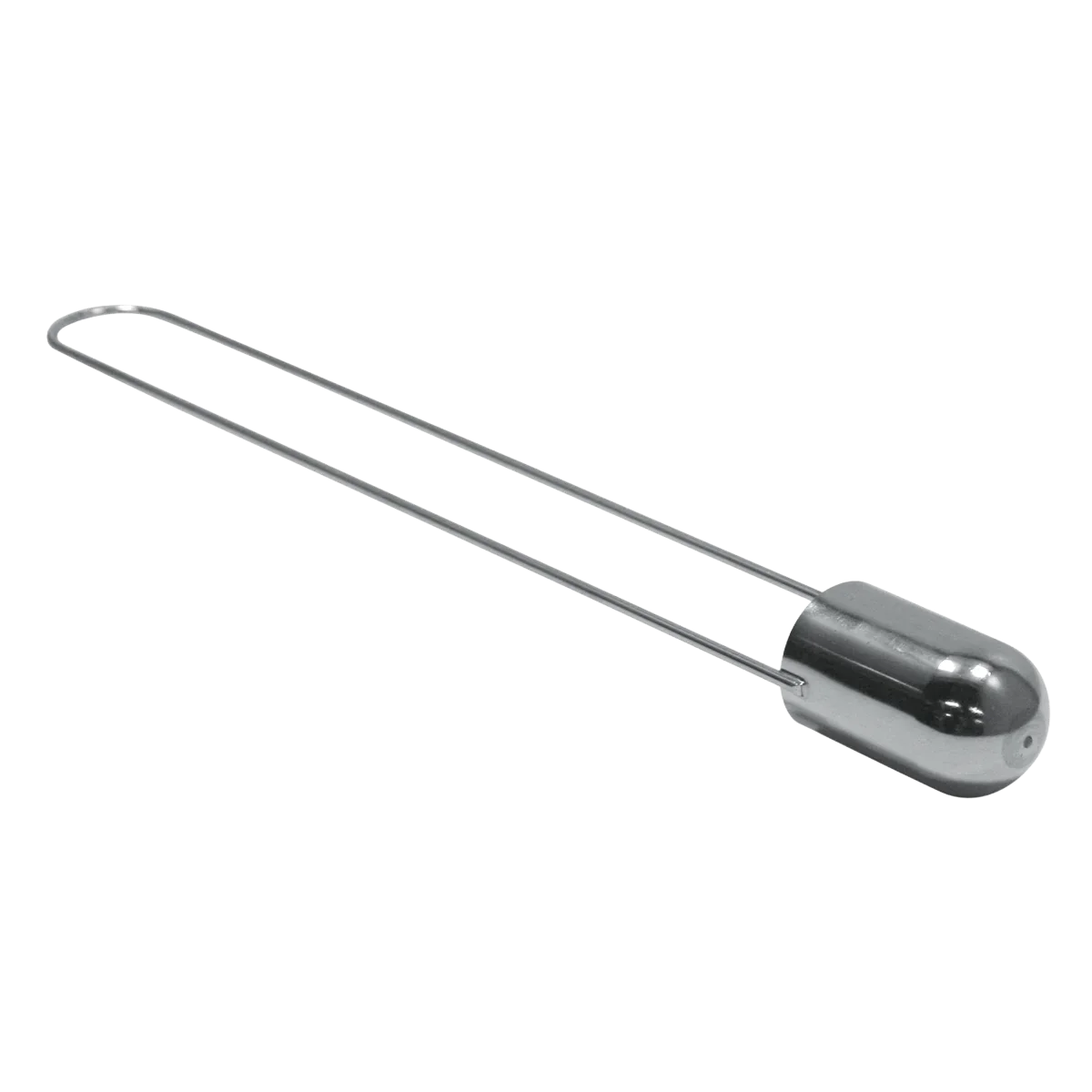
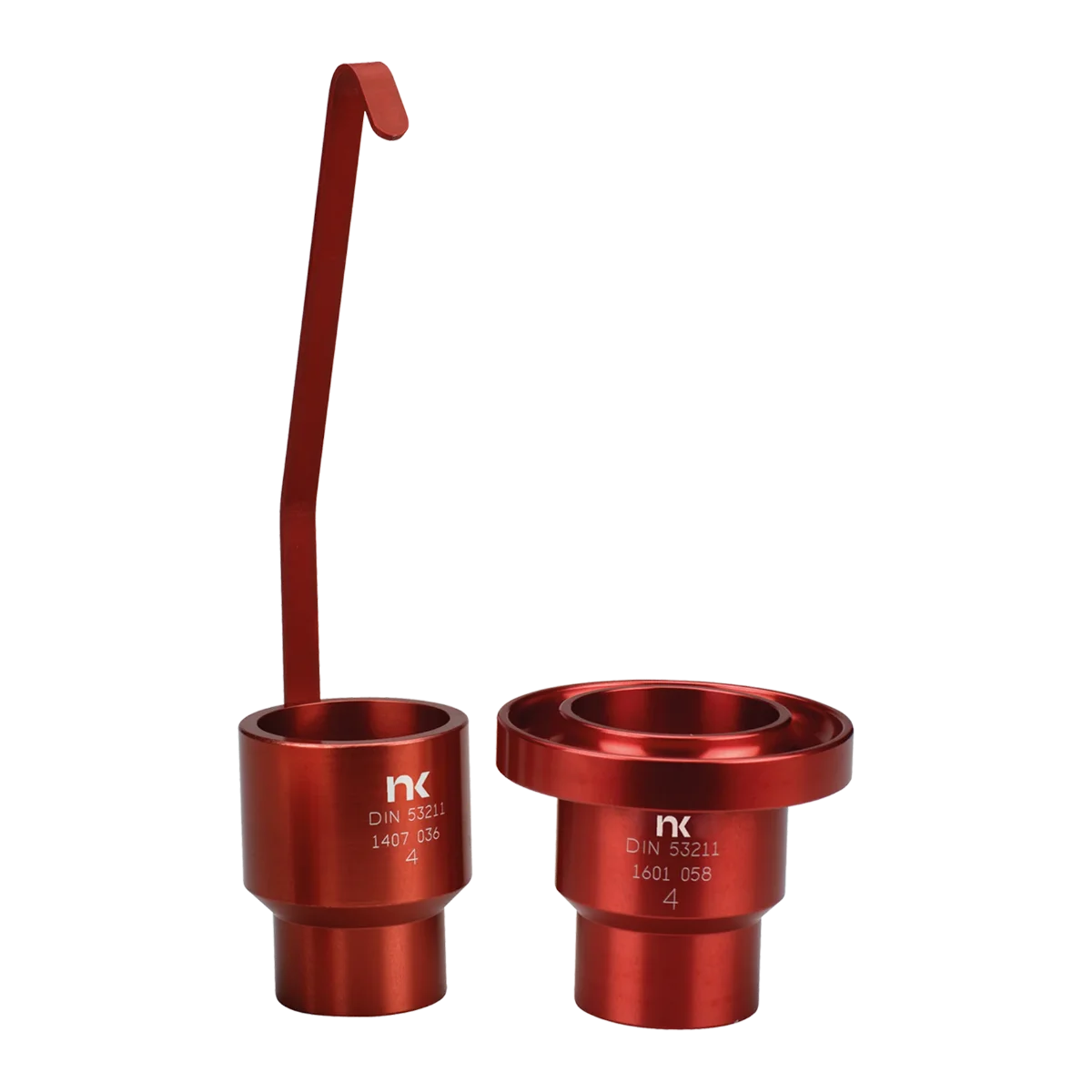
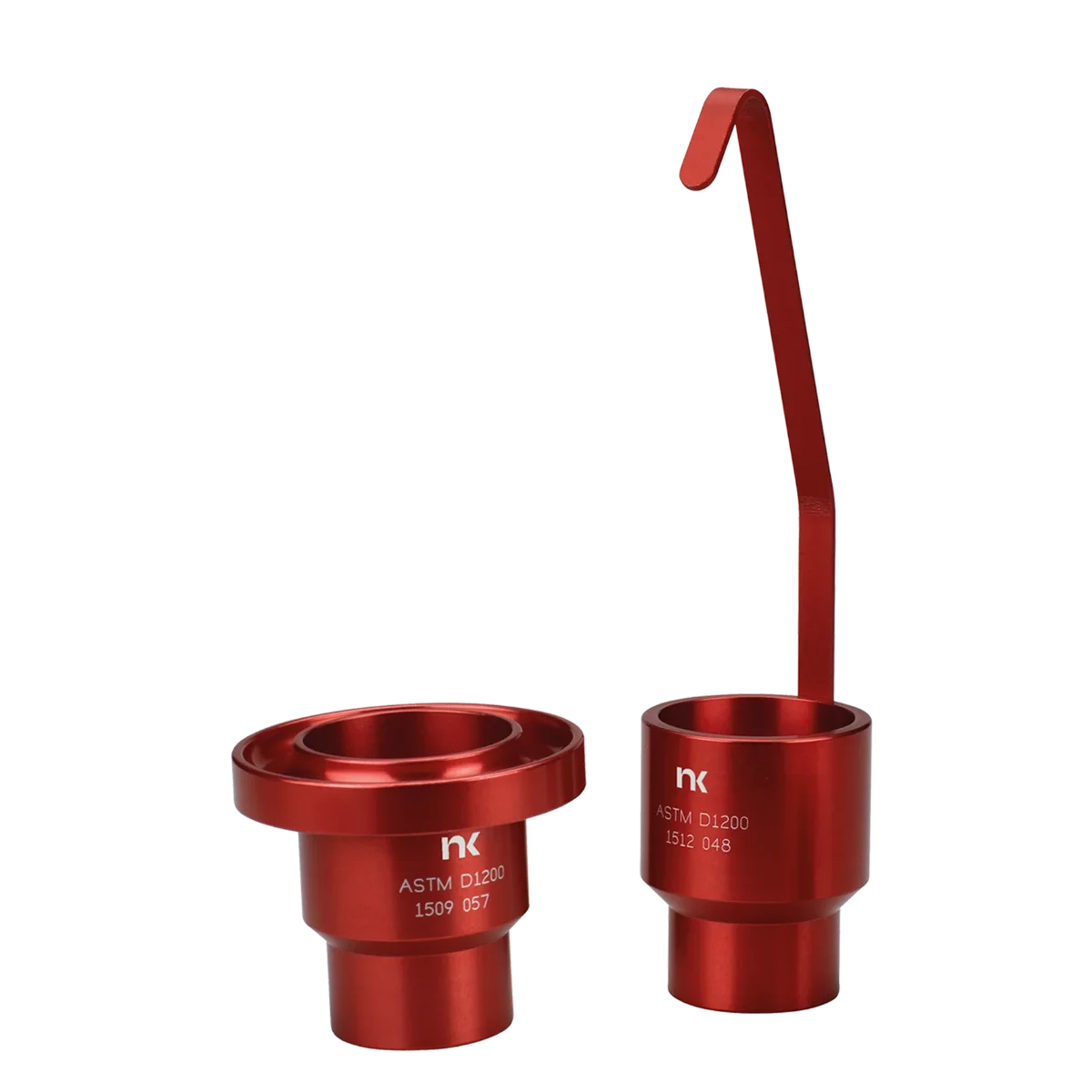
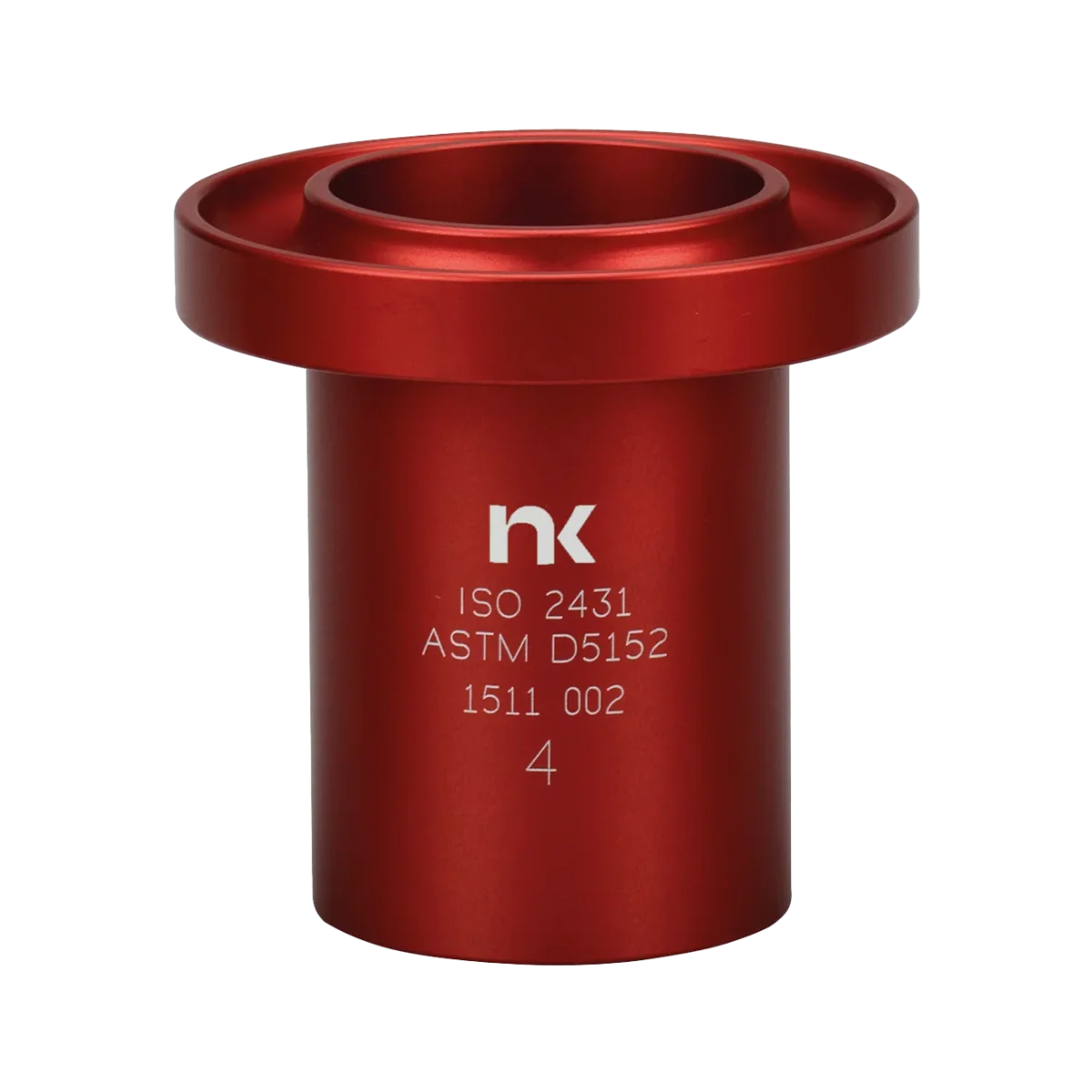
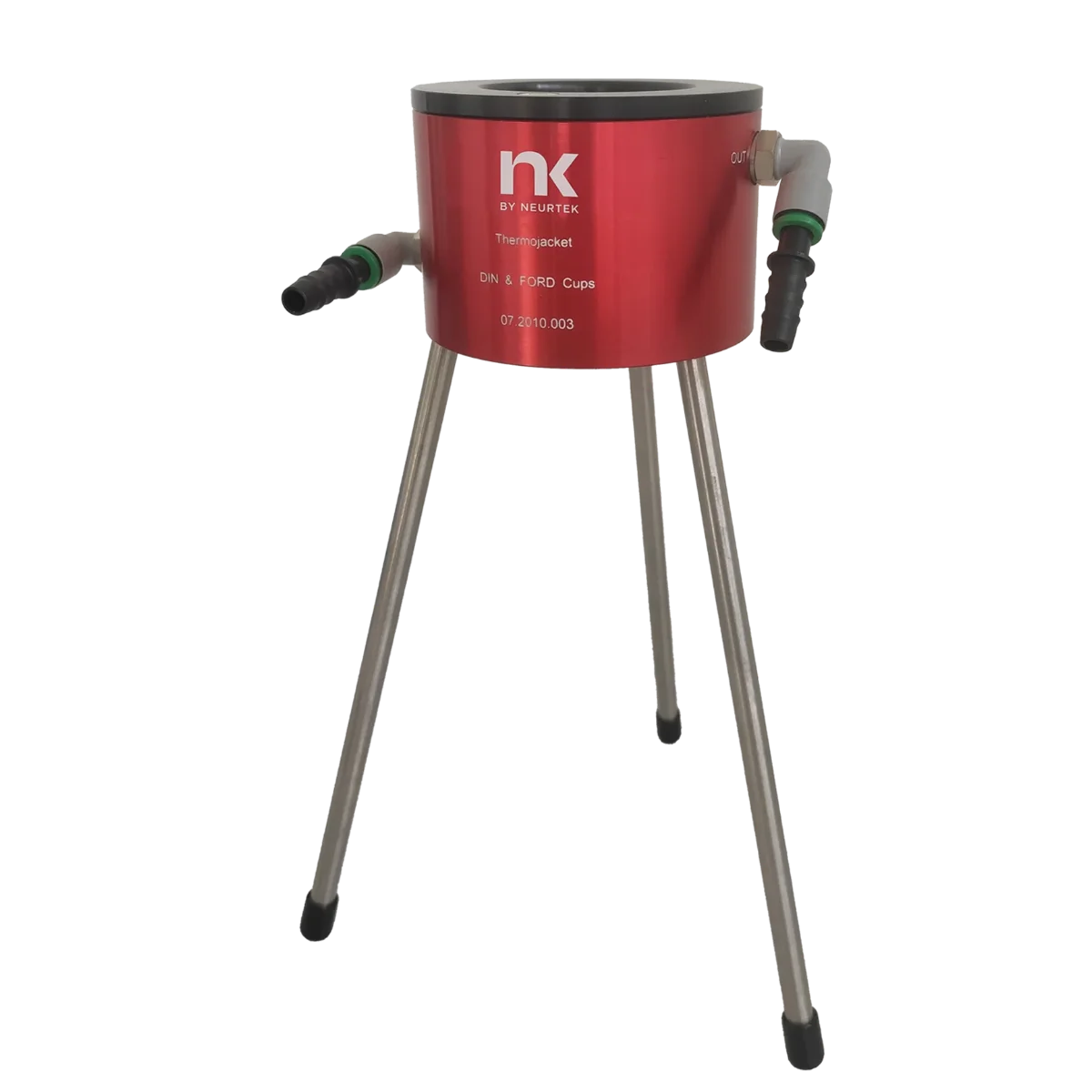
Made of anodised aluminium with a stainless steel flow jet. Volume 100 ml. Non-standard versions available for comparative testing.
What is the difference between a Zahn cup and a Ford cup?
The main difference lies in their design and method of use. The Zahn cup is immersed directly into the sample, whilst the Ford cup is usually used on a fixed stand and with a more controlled laboratory procedure.
When is it more advisable to use a Zahn cup rather than a DIN or ISO cup?
ZAHN cups are particularly useful for rapid checks on the shop floor, on production lines or for viscosity adjustments prior to product application.
What are the advantages of a Zahn cup over more complex methods?
Its speed, ease of use and low cost make it a very practical tool for frequent viscosity checks.
We use cookies to personalize content, provide social media features, and analyze our traffic. We also share information about your use of our site with our analytics partners. You can change your preferences at any time. For more information, please see our Privacy Policy and Cookie Policy. Privacy PolicyCookie Policy