Viscosity is an essential parameter in the behaviour of paints, varnishes and coatings, both in their manufacture and application.
Application
Proper viscosity control ensures:
Better application of paint.
Optimisation of consumption and performance.
Reduction of defects such as sagging, orange peel or poor leveling.
During formulation, it is essential to consider the application method, working temperature and the rheological behaviour of the product (viscosity at different shear rates and thixotropy), to avoid subsequent problems in the application process.
Similarly, when formulating a paint, it is necessary to know both the application method and the temperatures at which it will be applied, so during the development of the mixture, adequate control of viscosities at low and high shear rates is necessary, as well as evaluation of the thixotropy present.
Features
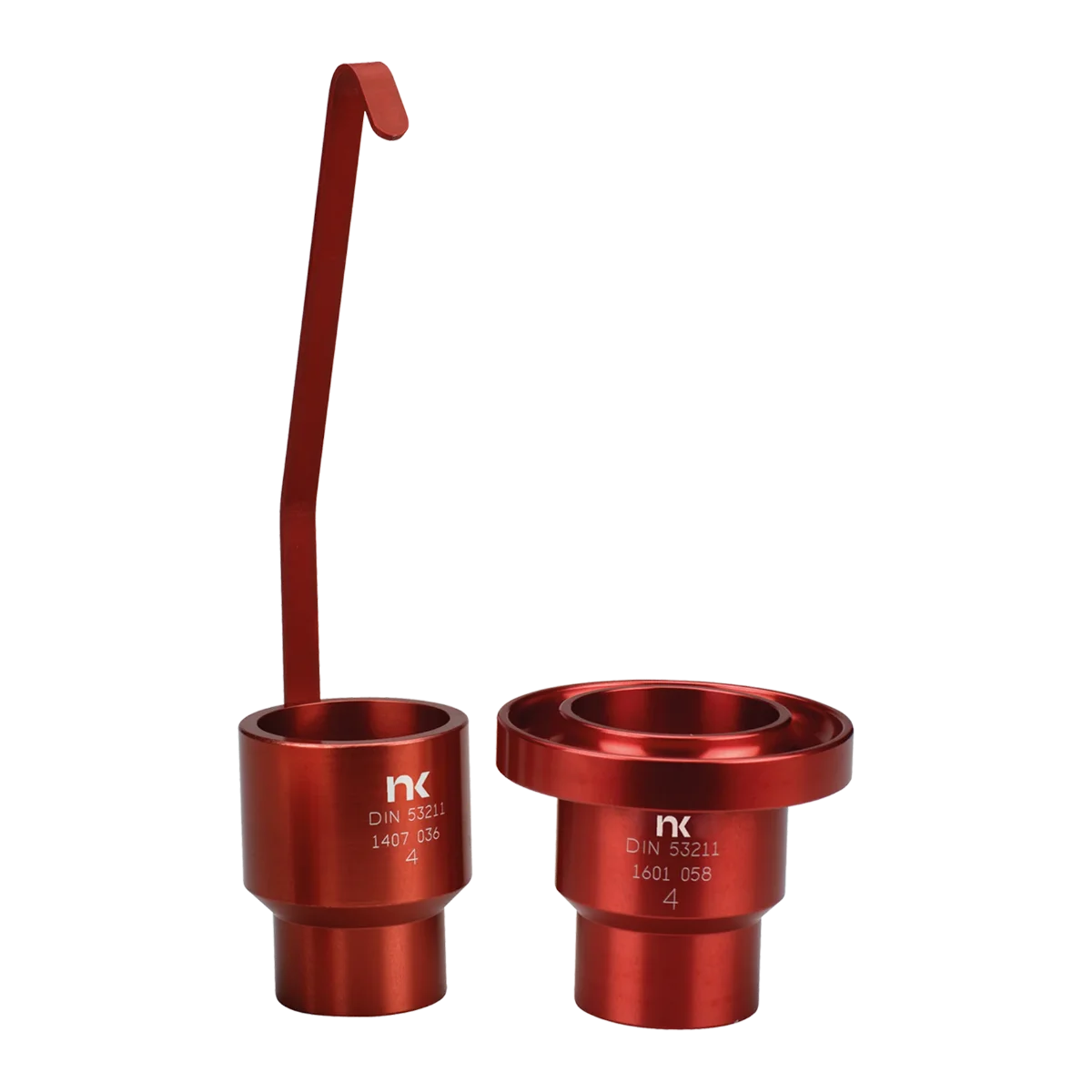
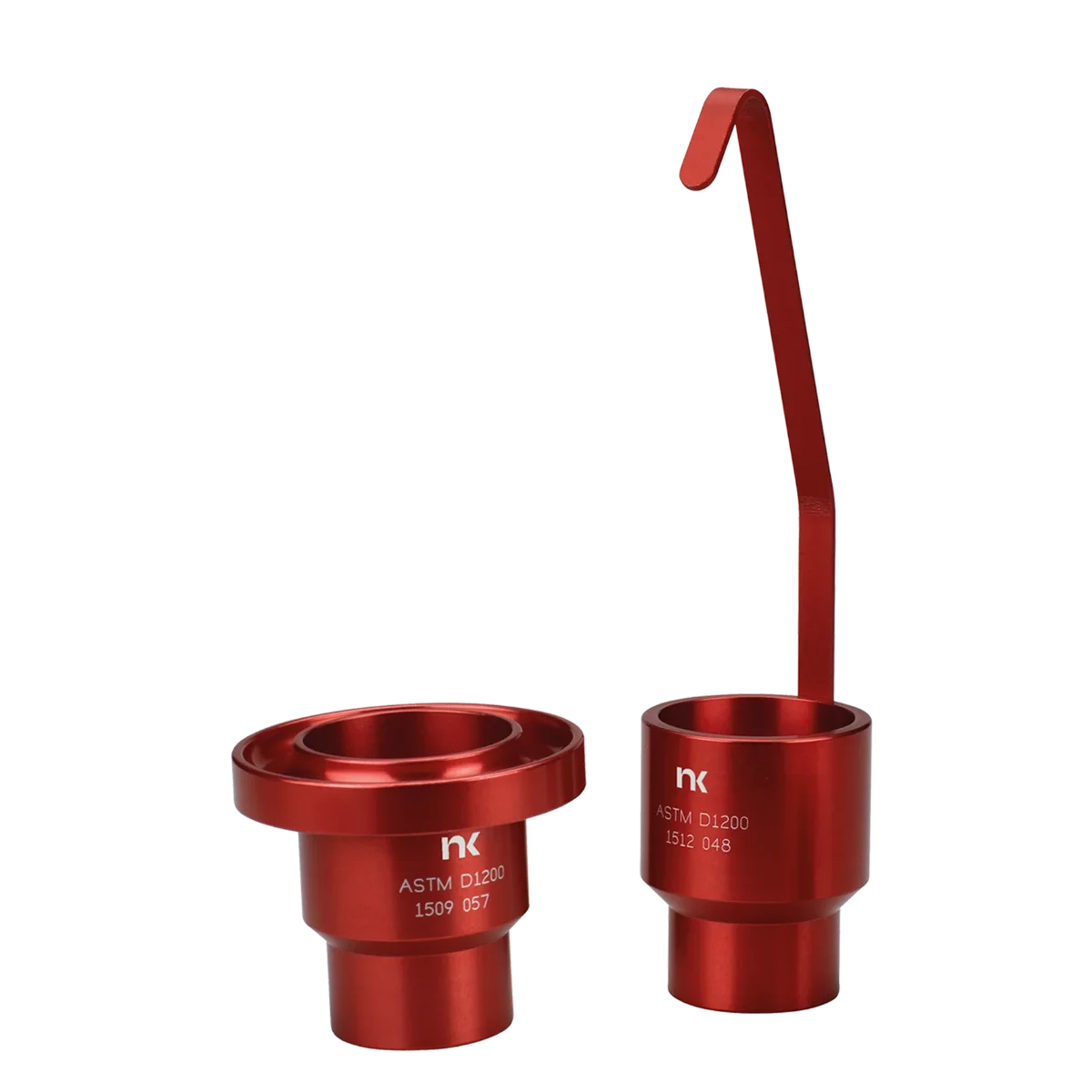
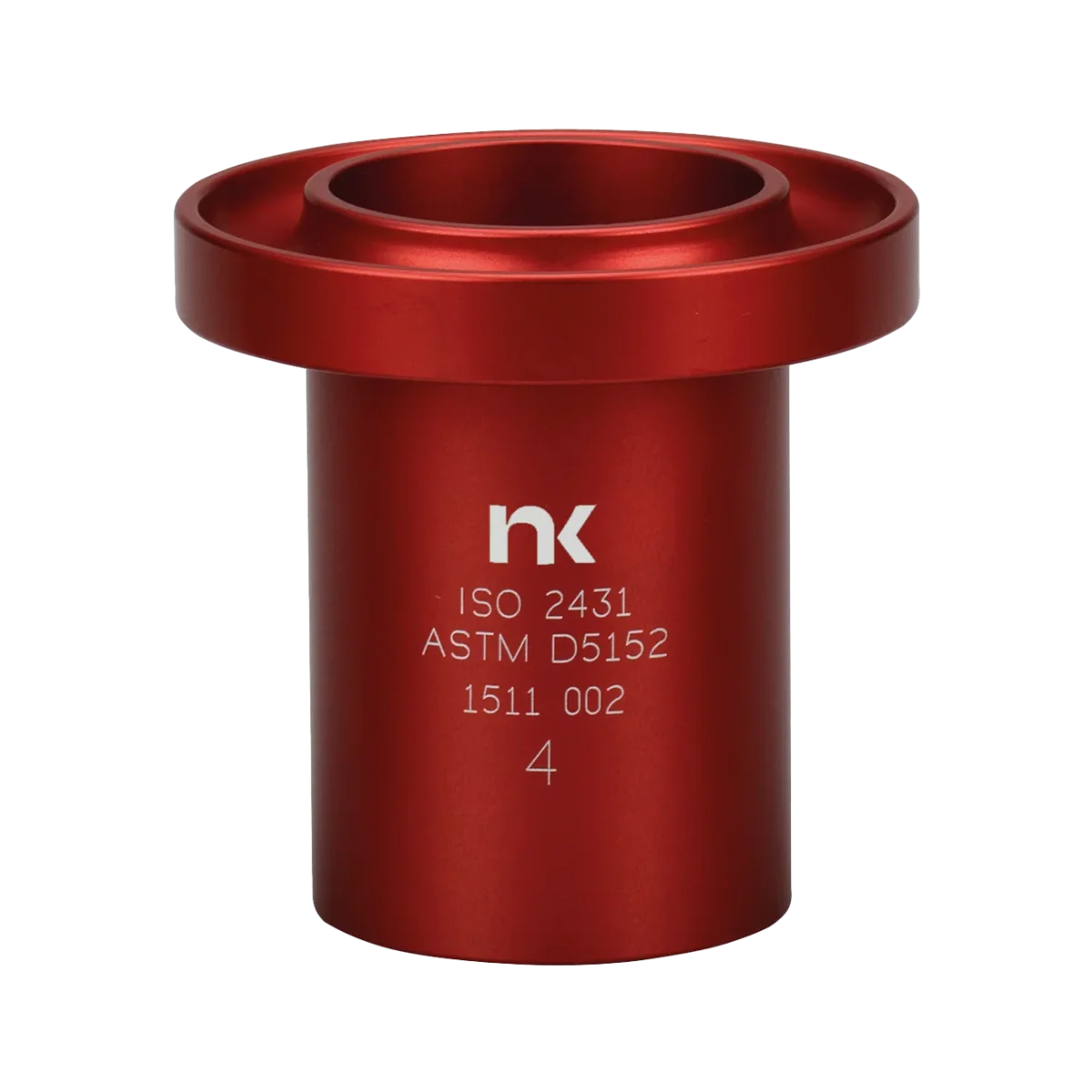
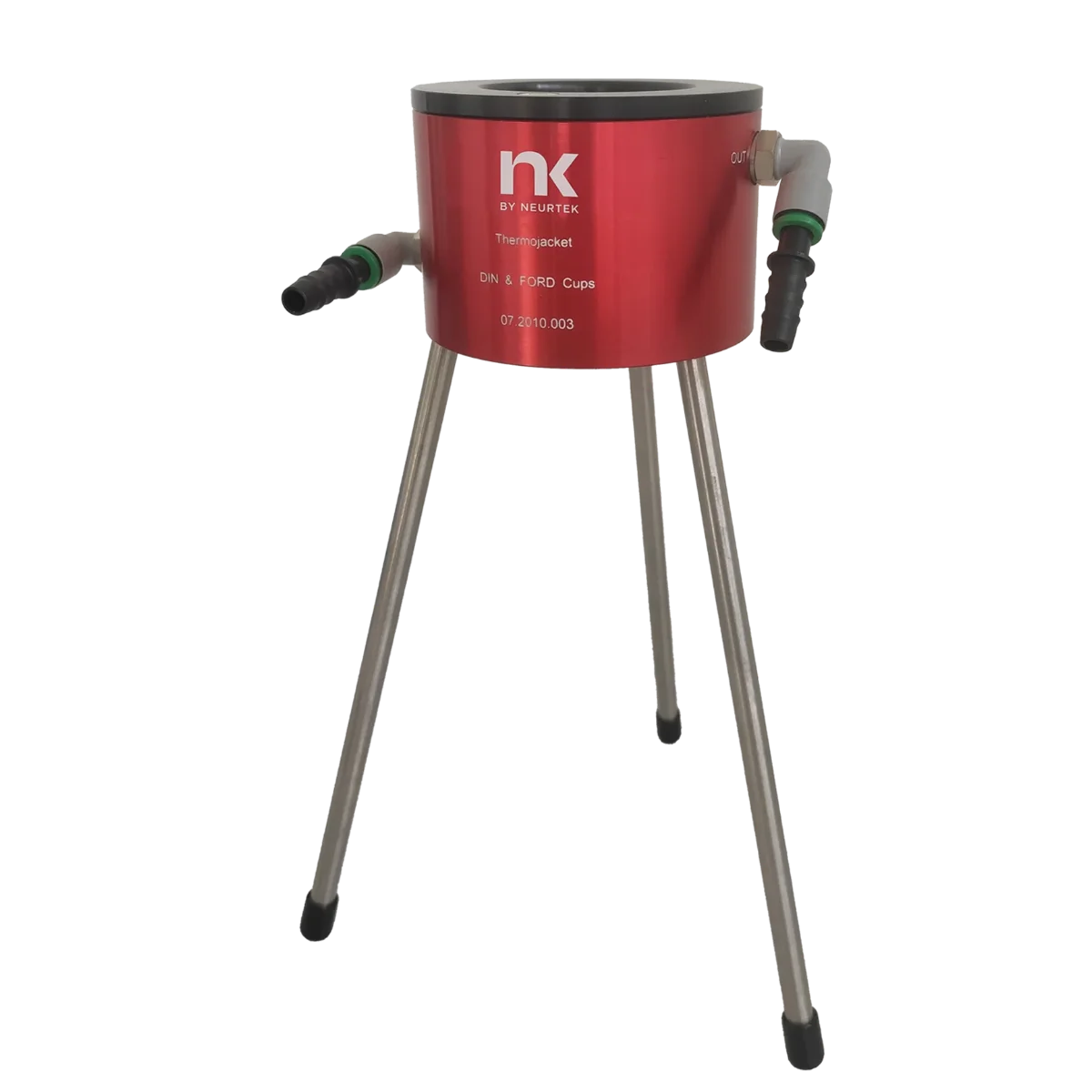
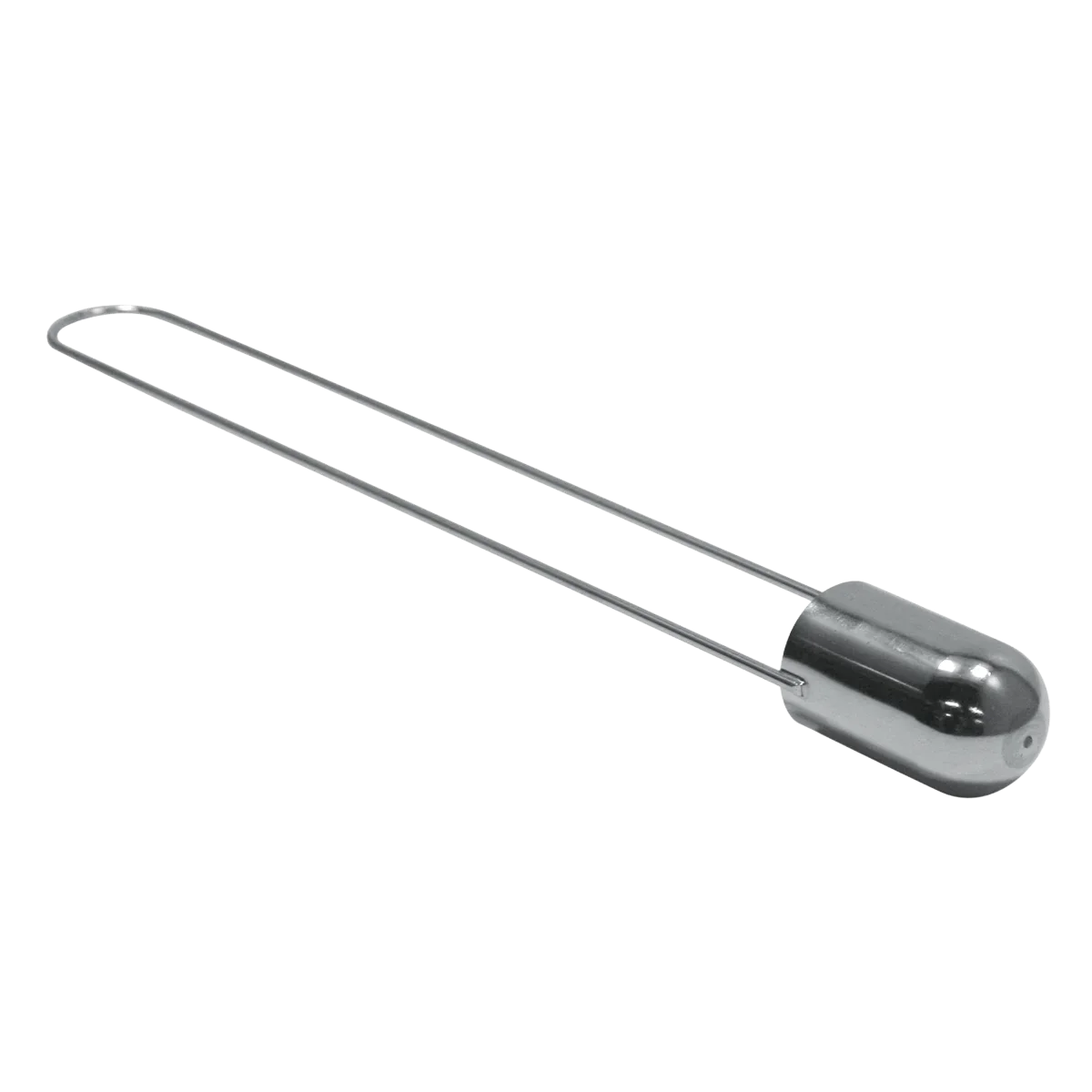
Made of anodised aluminium with a stainless steel flow jet. Volume 100 ml. Non-standard versions available for comparative testing.
Which products can be measured using an AFNOR cup?
AFNOR cups can be used with a wide variety of fluids, particularly paints, lacquers, varnishes, inks, coatings and liquid products used in laboratories or in production.
They are suitable for fluids that can flow freely through the cup’s orifice and that fall within the viscosity range corresponding to the model being used.
Which is the difference between an AFNOR, Ford, DIN or Zahn cup?
They are all flow cups used to measure viscosity, but each has a different geometry, standard and range of application.
The choice depends on the method specified by the customer, the sector, the type of product and the laboratory’s internal procedures. It is therefore not advisable to substitute one cup for another without first checking the applicable standard.
What orifice size should an AFNOR viscosity cup have?
The choice of orifice depends on the viscosity range of the product to be measured. AFNOR cups are available with different orifice diameters, such as 2.5 mm, 4 mm, 6 mm and 8 mm, to suit fluids of varying viscosity.
The higher the viscosity of the product, the larger the orifice diameter used should normally be.
We use cookies to personalize content, provide social media features, and analyze our traffic. We also share information about your use of our site with our analytics partners. You can change your preferences at any time. For more information, please see our Privacy Policy and Cookie Policy. Privacy PolicyCookie Policy