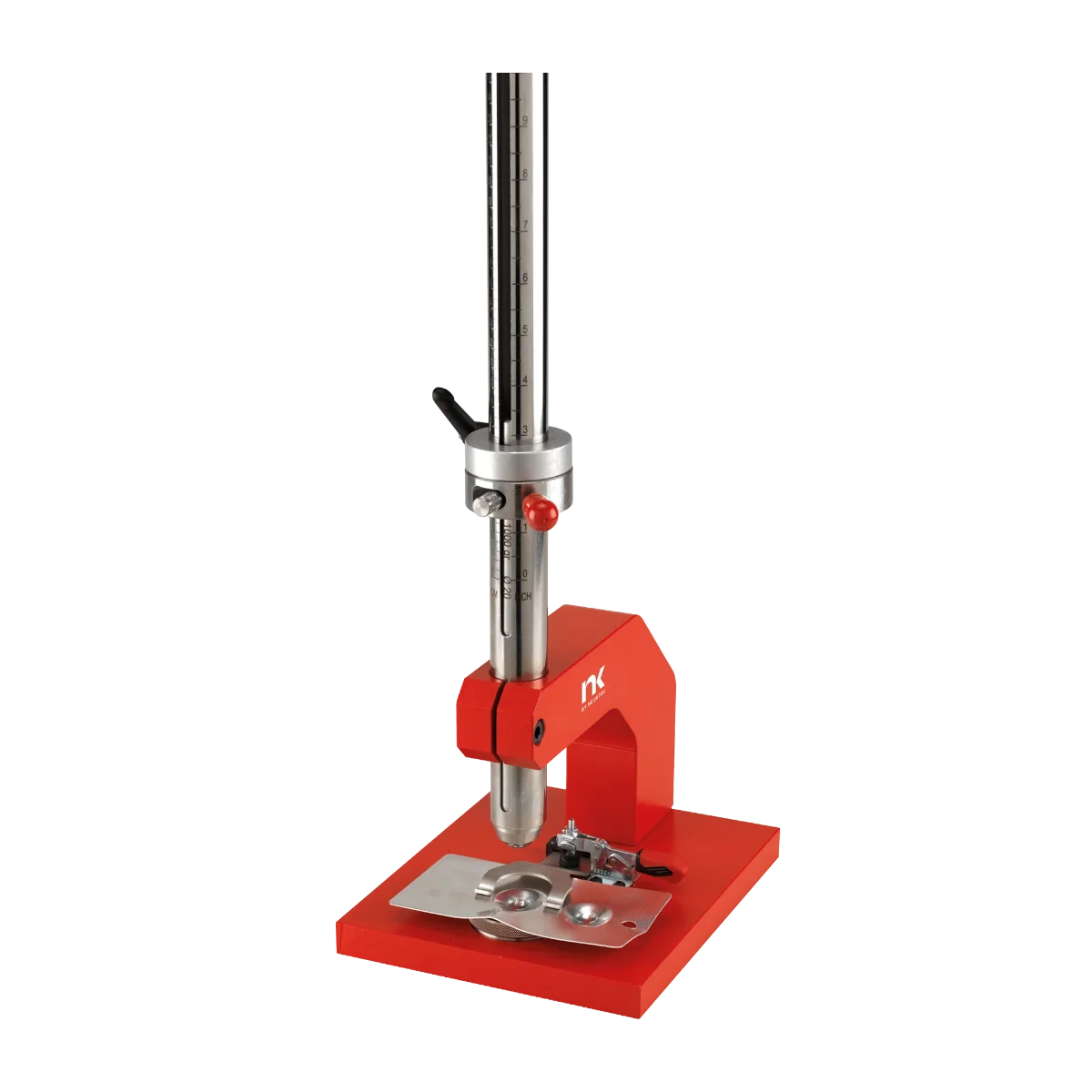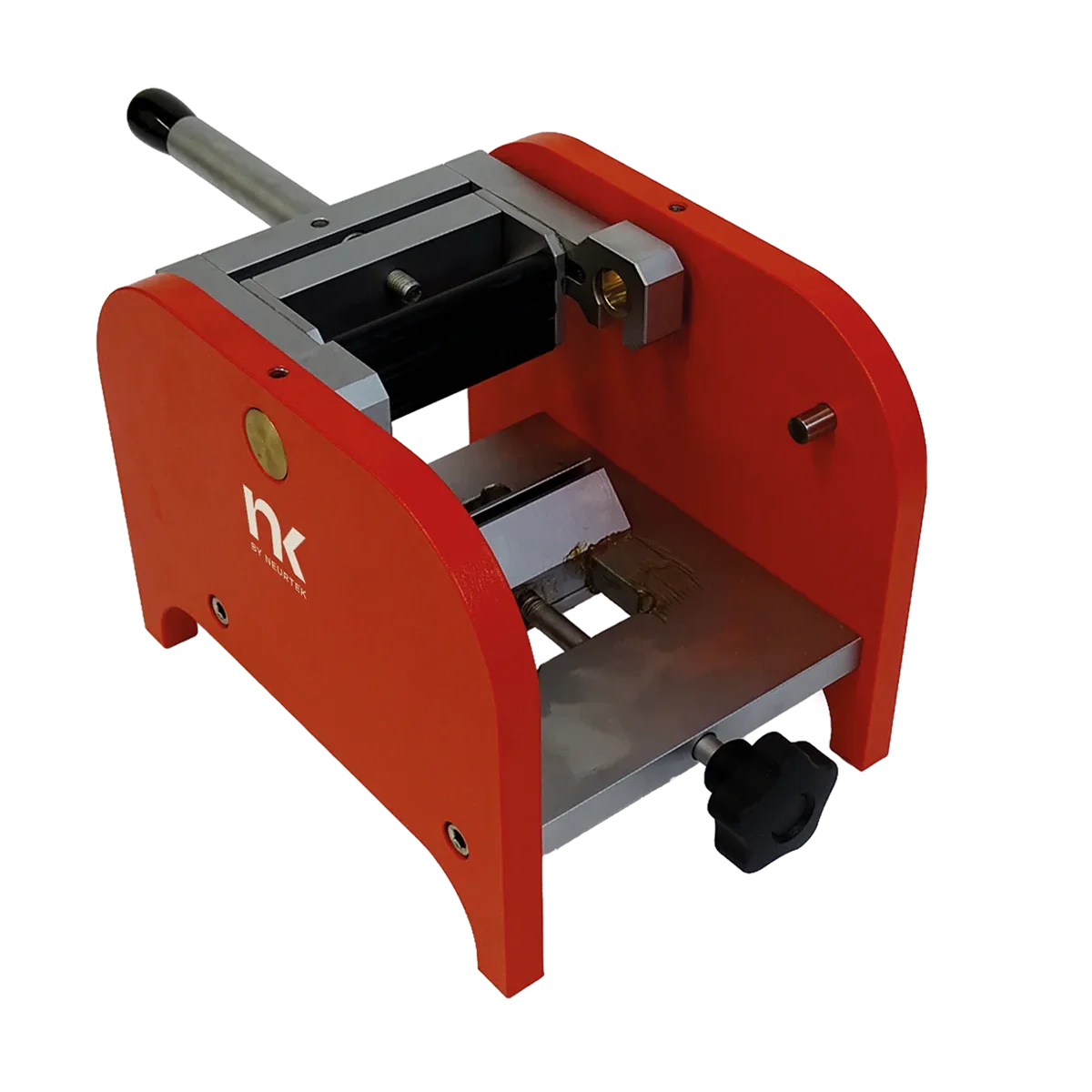
Cylindrical Mandrels

Cylindrical Mandrel

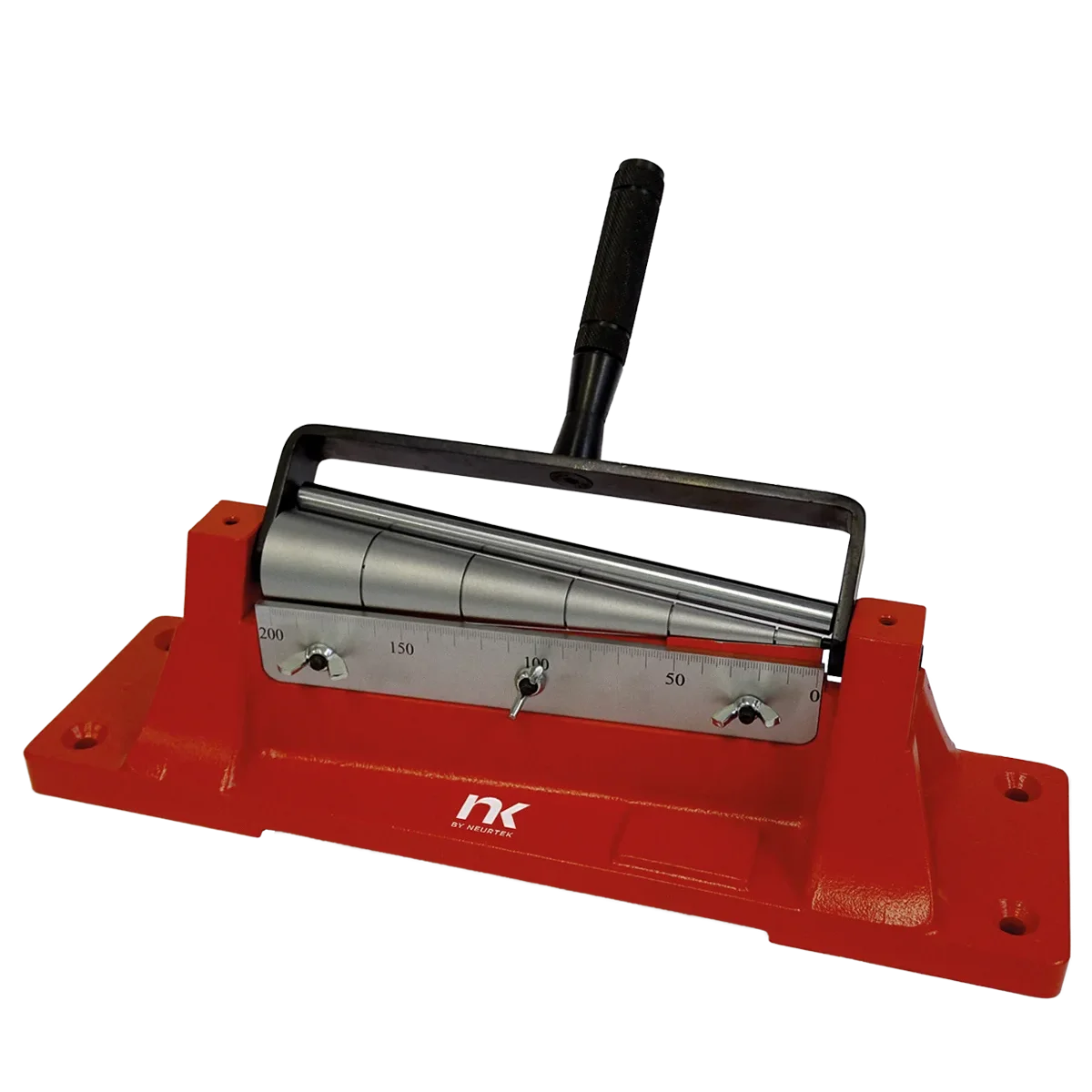
Bending Mandrels

Testing the flexibility and adhesion of coatings on substrates

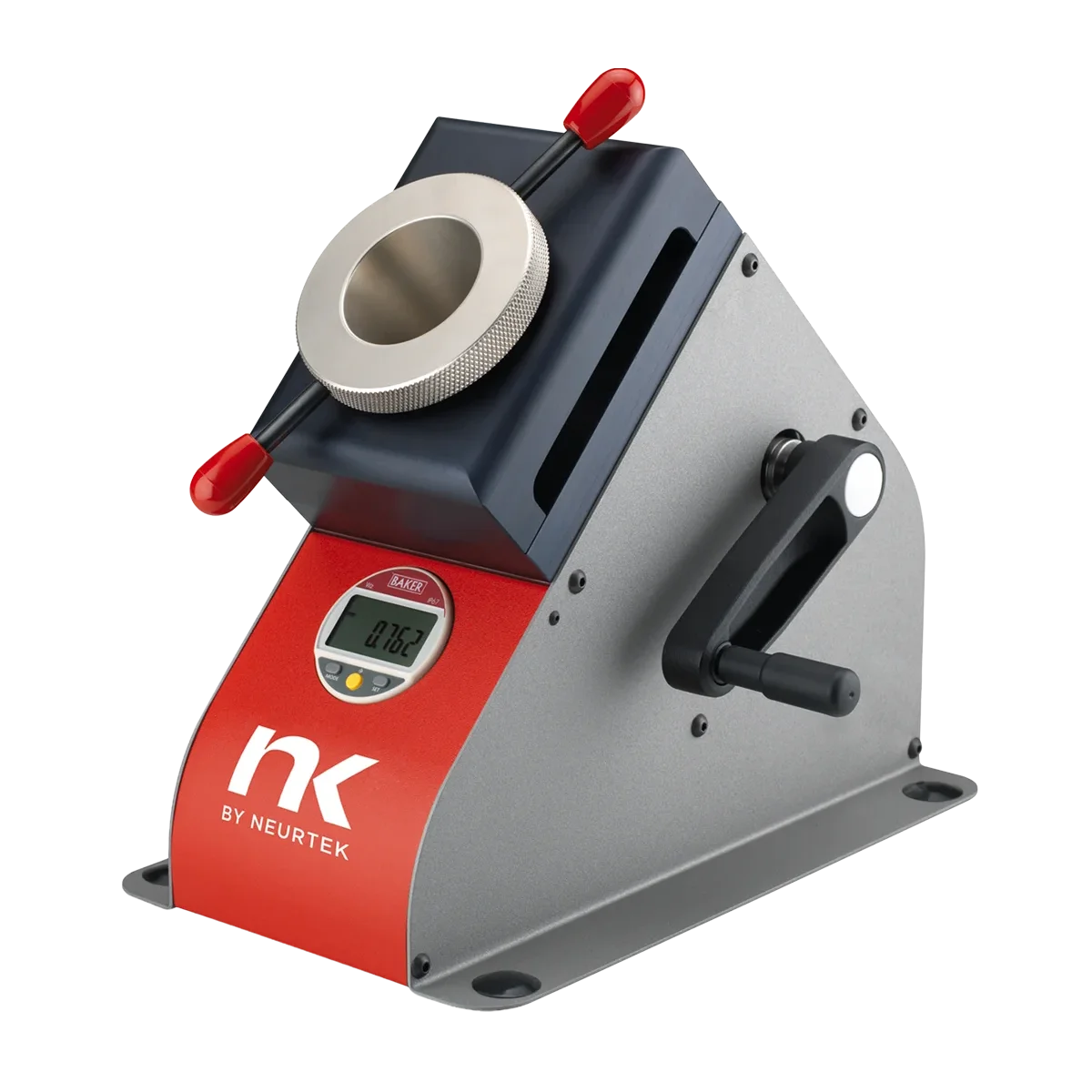
NK mending mandrels by NEURTEK are the benchmark equipment for assessing the flexibility and adhesion of organic and inorganic coatings on metallic substrates through bending tests.

Designed and manufactured entirely by NEURTEK, they are available in two versions — cylindrical and conical — which comply with the main international standards and are suited to different testing requirements.

The test involves bending a coated test specimen over the mandrel and observing the appearance of cracks or loss of coating adhesion. The result allows for an objective comparison of the ductility and flexibility of different coating systems or application processes.
Application

  • Industrial and decorative paints: testing the flexibility of coatings on steel and aluminium sheet during production and material acceptance.
  • Architectural aluminium lacquering: verification of flexibility requirements in accordance with Qualicoat specifications (cylindrical mandrel test).
  • Powder coatings: assessment of the degree of curing and the ductility of thermosetting coatings on metal substrates.
  • Galvanising and pre-treatment: verification of the adhesion and flexibility of primers and sealants on galvanised steel.
  • Automotive industry: flexibility testing of bodywork paints, primers and protective coatings.
  • Coatings R&D: development and comparison of formulations, solvents and curing systems to optimise coating ductility.

Features

  • Robust, low-maintenance design; manufactured entirely by NEURTEK in Spain.
  • Cylindrical mandrel: 12 interchangeable steel mandrels (Ø 2 to 32 mm) for full coverage of the ISO 1519 standard.
  • Tapered mandrel: single cone, 200 mm long (Ø 3–37 mm), which determines the exact cracking point in a single range.
  • Cylindrical mandrel supplied in a case for transport and organised storage of the 12 mandrels.
  • Instructions for use in Spanish are included with the cylindrical mandrel.
  • A traceable calibration certificate is available for the cylindrical mandrel (SER-CT030).

Standards

ISO 1519
UNE EN ISO 6860
ASTM D522

References

Code

Description

NK-CM6860

CM6860 Cylindrical Mandrel — metric system. Includes: main bending unit + case with 12 mandrels (Ø 2, 3, 4, 5, 6, 8, 10, 12, 16, 20, 25 and 32 mm)

NK-CM6880

CM6880 Cylindrical Mandrel — imperial system. Includes: main bending unit + case with 7 mandrels (1/8", 1/4", 3/8", 1/2", 5/8", 3/4" and 1")

Calibration

Code

Description

SER-CT030

Calibration Certificate for cylindrical mandrel

Standards

ISO 1519
UNE EN ISO 6860
ASTM D522

Become an NK distributor in your region

FAQS

The cylindrical mandrel uses fixed diameters to assess flexibility under specific conditions, whilst the conical mandrel allows for various radii of curvature to be obtained in a single operation, making it easier to identify the point of failure.

Depending on the standard and the type of coating, tests are usually carried out with diameters ranging from a few millimetres to several tens of millimetres. The smaller the diameter, the greater the deformation applied to the coating.

They enable the detection of formulation, curing or adhesion problems before defects appear during the forming of parts, thereby reducing rejects and production costs.

This website uses cookies

We use cookies to personalize content, provide social media features, and analyze our traffic. We also share information about your use of our site with our analytics partners. You can change your preferences at any time. For more information, please see our Privacy Policy and Cookie Policy. Privacy Policy Cookie Policy