Wheel

Wet Film Thickness Wheel

Wet Film Gauge

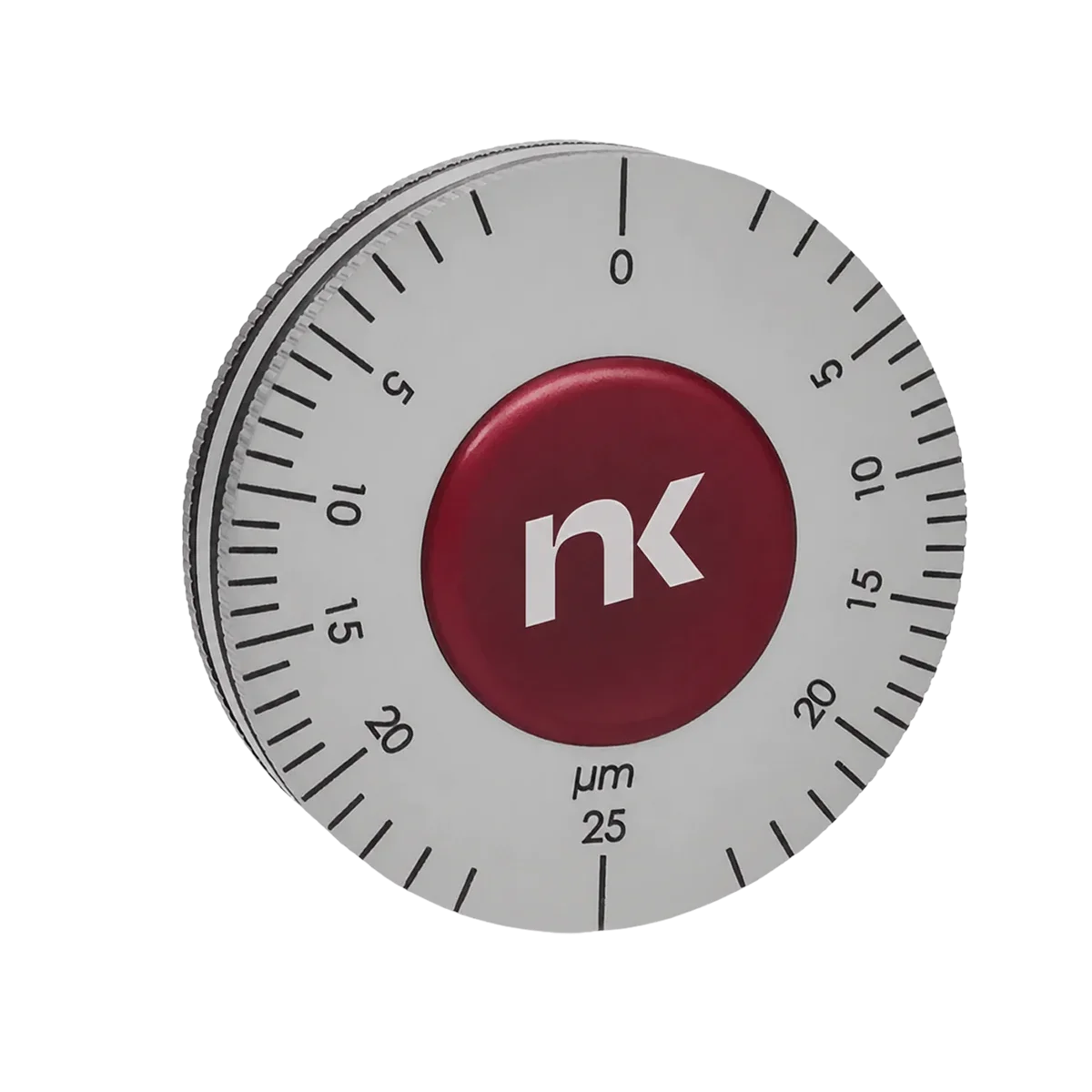
Disc-shaped wet or fresh film thickness gauge made of stainless steel.

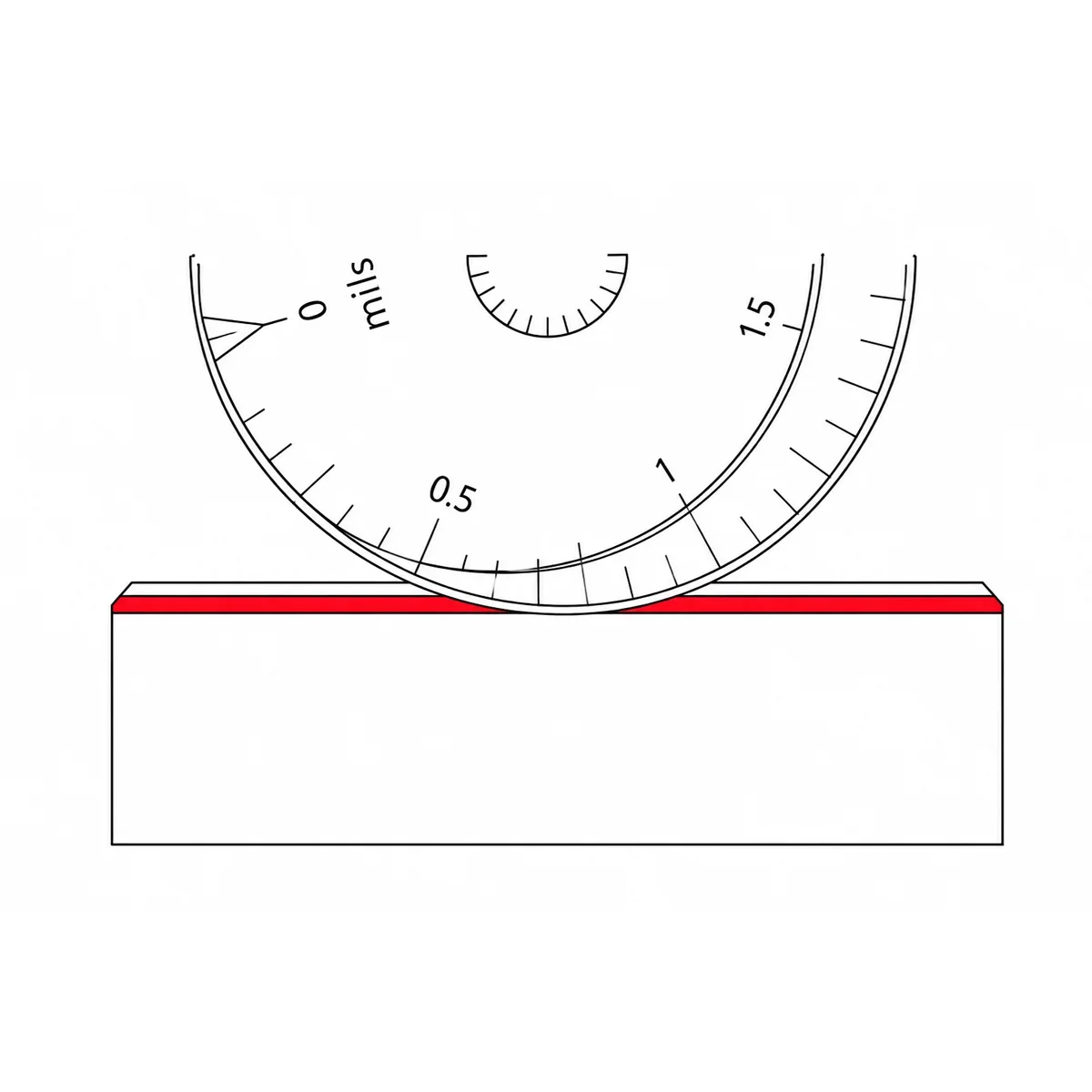
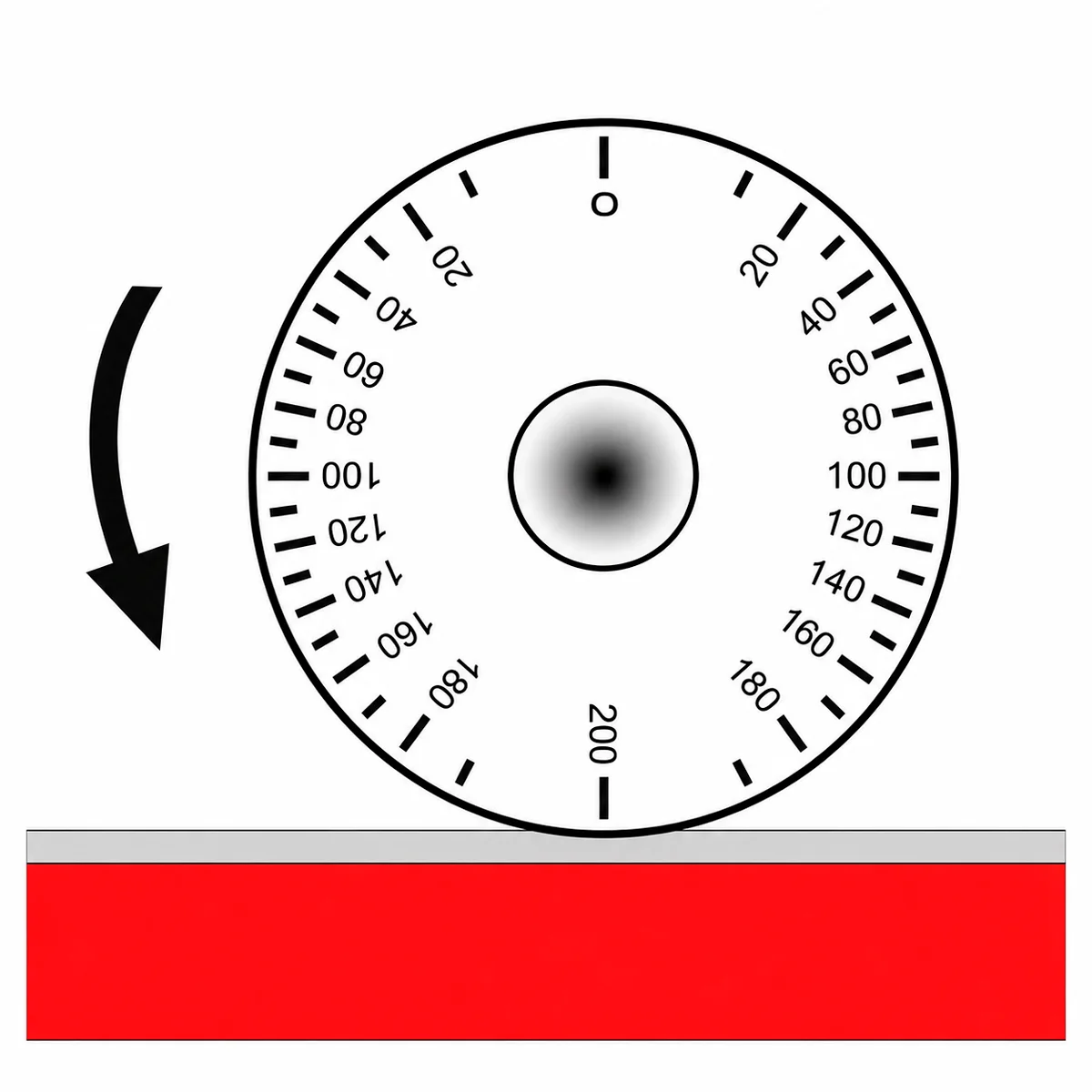
The Rulina-type wet film thickness gauge enables the precise measurement of the thickness of freshly applied coatings. Made from stainless steel, it consists of an eccentric central disc surrounded by two knurled concentric side discs.

When rolled over the coated surface, the central disc comes into contact with the wet film at a specific point, which corresponds to the thickness value indicated on the scale engraved on the side of the instrument.
Application

This instrument is ideal for quality control in painting and coating processes, and can be used on uniformly flat or curved surfaces, both concave and convex.

It is suitable for a wide range of liquid coatings, including industrial and decorative paints, automotive, anti-corrosion protective coatings, lacquering and varnishing of wood and metals.

Its design allows direct reading of wet film thickness and, from the solids content, estimation of the final dry thickness.

Features

Made from stainless steel, portable, robust and reusable instrument with a long service life, suitable for both laboratory and in-field process control.

Standards

UNE EN ISO 2808
ASTM D 1212
BS 3900/C5

References

Code

Model

NK-WW2900-25

0 to 25 microns

NK-WW2900-50

0 to 50 microns

NK-WW2900-125

0 to 125 microns

NK-WW2900-250

0 to 250 microns

NK-WW2900-500

0 to 500 microns

NK-WW2900-1000

0 to 1,000 microns

Calibration

Code

Description

CAL037

ENAC-accredited calibration certificate for wet film thickness gauge

Standards

UNE EN ISO 2808
ASTM D 1212
BS 3900/C5

Become an NK distributor in your region

FAQS

Thickness gauges are commonly used to check wet film thicknesses ranging from 10 μm to over 2,000 μm, covering everything from decorative paints to high-build anti-corrosion coatings.

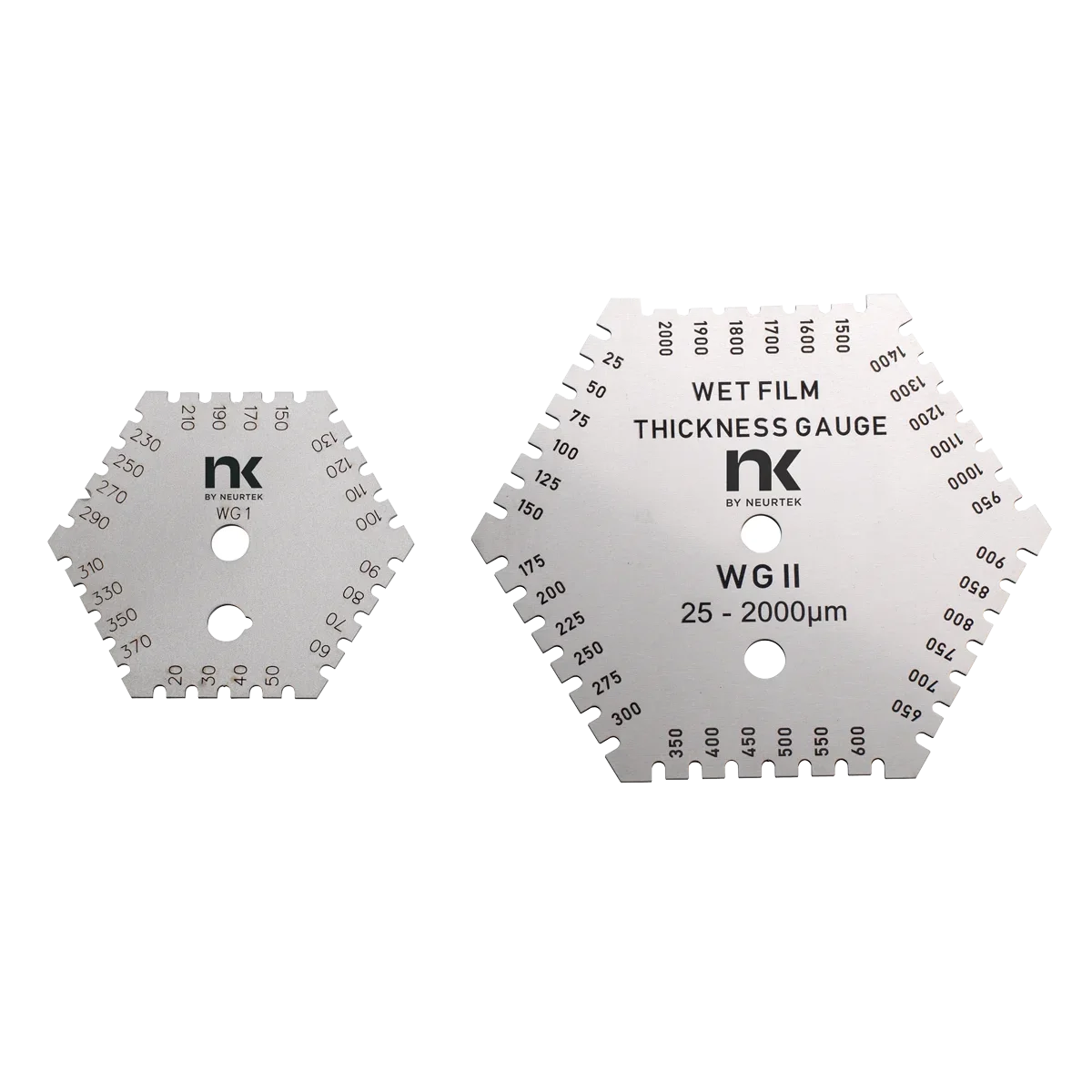
Both instruments measure wet film thickness, but the wet film gauge typically offers higher resolution and better repeatability in applications where thicknesses between 0 and 500 μm are monitored with more stringent quality requirements.

The range must be suited to the target coating thickness. For example, conventional industrial paints are typically applied at thicknesses between 50 and 200 μm, whilst some anti-corrosion systems or heavy-duty protective coatings can exceed 1,000 μm.

This website uses cookies

We use cookies to personalize content, provide social media features, and analyze our traffic. We also share information about your use of our site with our analytics partners. You can change your preferences at any time. For more information, please see our Privacy Policy and Cookie Policy. Privacy Policy Cookie Policy